
What should someone know about your house if you could not answer the phone for a month?
Fifteen things a house should remember. This is the structure we use, published in full so you can start one yourself.
Fifteen questions, about four minutes, no email.
How the house should be left is not the same as what someone last saw.
When the two disagree, something happened that nobody decided. A good record shows you both.
What the house is supposed to be doing while nobody is in it
Water in its away position. Cooling at the value you chose. Alarm armed the way you want it. Openings secured. Refrigeration running. This is a decision you made, and it should be written down once and confirmed rather than remembered every November.
Away: water OFF at the mainCooling 78°F · alarm armed, away mode
Pool on its away schedule
What a person confirmed, on a date, with evidence
A reading taken, a valve read back, a photograph. Dated, and attributable to somebody. A target that says the water is off is not evidence the water is off — and the gap between the two is the single most useful thing a record can show you.
12 Feb · water confirmed OFF, read back at the mainThermostat 78°F, read at the panel
Alarm history: two entries, both ours
Fifteen things a house should remember.
In the order someone taking over tomorrow would need them. Operating items are needed to run the house at all.
- 01
The house itself Operating
What it is called, the address, roughly how big it is, and which features it actually has — pool, elevator, generator, dock, dehumidifier, shutters, crawlspace, outdoor kitchen, wine storage.
Two floors and a garage, about 4,200 sq ft. Pool, generator, crawlspace, dune walkway. No elevator.
- 02
Who speaks for the house Operating
The people who may be contacted about it, each with a role, and which of them must be reached urgently rather than emailed.
Urgent: my mobile, then my wife's. Routine: email me only. My brother may authorize if neither of us answers.
- 03
Who may approve, and up to what Operating
Who can say yes to spending; a figure below which someone may act and tell you afterwards; anything that must always be asked whatever it costs; and what may be done in a genuine emergency before anyone reaches you.
Under $500, act and tell me. Anything structural, ask first. Emergency: stop the damage, up to $2,500, then call.
- 04
Access, and who holds what Operating
Which access systems the house has, who holds each one, who the backup is, and who is permitted to enter.
Gate code and alarm: held by us, one named custodian, backup named. Front door key: also with my sister. Nobody else may enter without my say.
- 05
Hazards and cautions Operating
What somebody walking the house needs to know before they walk it.
Third step on the dune walk is rotten. Crawlspace hatch drops. Breaker panel labels are wrong for the pool circuit.
- 06
Rooms and areas, and how they are now
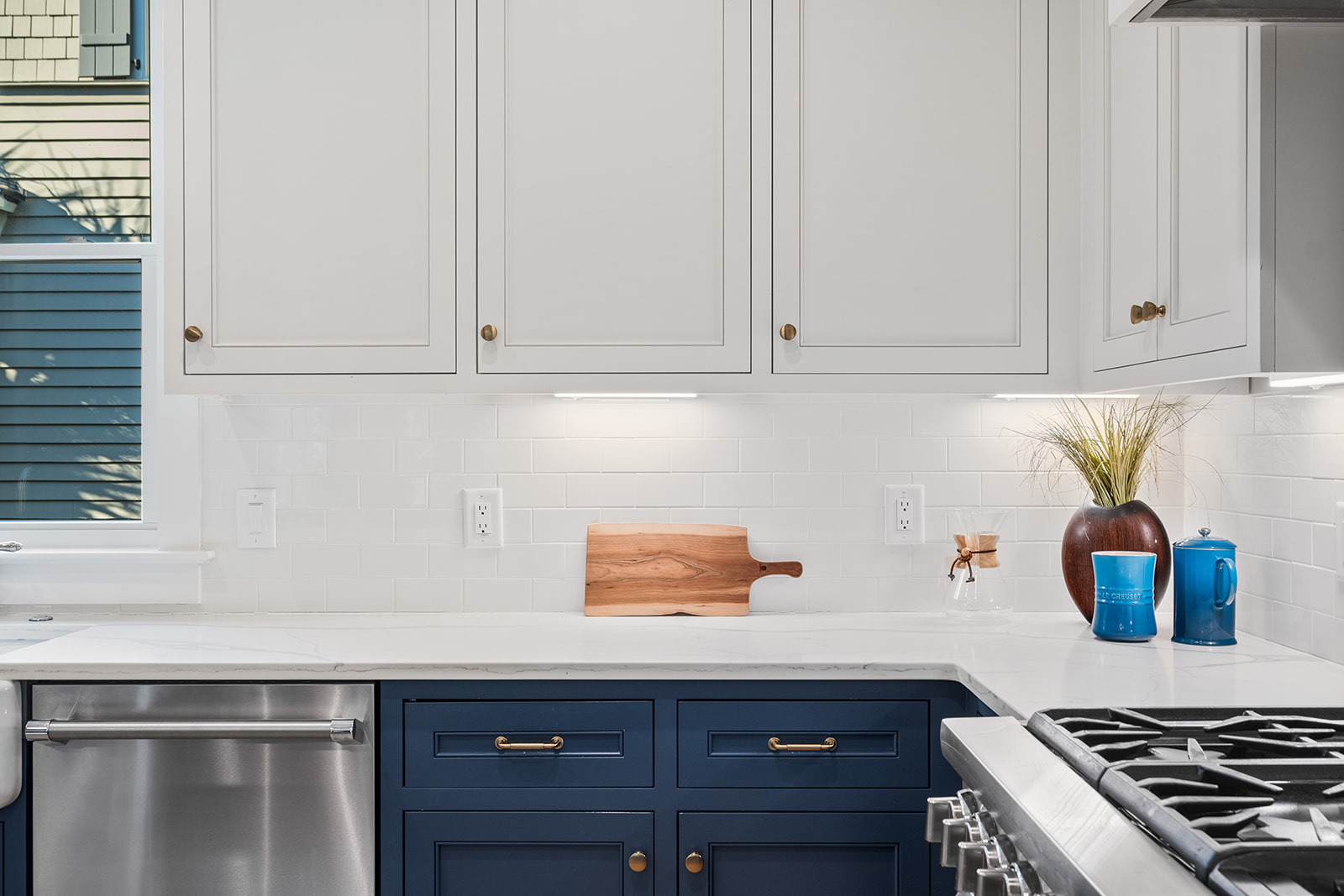
Every room and area by name, with photographs of how it is today and a note on anything already marked or damaged.
Lower guest room: photographed 12 Feb. Existing stain on the west ceiling corner, present since we bought.
- 07
Systems and equipment Operating
Every system and fixed appliance: what it is, where it is, make and model — or a photograph of the data plate, which is faster and just as good — roughly how old, what it takes, who services it, and anything unusual about running it.
Two HVAC zones, Carrier, 2019, plate photographed. Filters 20×25×4, changed on a dated schedule.
- 08
Shut-offs and controls Operating
Where the water shuts off, and the gas, and the main panel — each photographed, with a note on anything non-obvious about closing it.
Main water: garage wall behind the shelving, quarter-turn, photographed. Gas: south side by the meter. Irrigation has its own valve at the street.
- 09
Finishes and materials
Paint, stain, trim, tile, grout, flooring, countertop, hardware, roofing, siding — with the color and code where they can be found.
Interior trim: Benjamin Moore Simply White, satin. Exterior: custom mix, formula card in the kitchen drawer, photographed.
- 10
Manuals, warranties and documents
Manuals, warranties, service agreements, invoices, service history, permits and specifications — each kept with the thing it belongs to rather than in a folder called documents.
Generator: manual, warranty to 2029 and the service agreement, all attached to the generator rather than to the house.
- 11
Providers, and what each one does Operating
Every company that touches the house across a year: who they are, how to reach them, what they look after, how often, and whether there is an agreement.
Pool: weekly, April to October, twelve years, has the equipment history. Pest: quarterly. Landscape: weekly in season.
- 12
How the house is meant to be left Operating
System by system, what it should be set to while nobody is in it — and what it should be set to for an arrival. Water, cooling, humidity, alarm, openings, refrigeration, lighting, pool, irrigation.
Away: water off at the main, cooling 78, alarm away mode, pool on winter schedule. Arrival: cooling 72 two days before, water on and run, pool heated.
- 13
Owner standards and instructions Operating
How you want things done: operating instructions, arrival and departure preferences, standards you hold, how you want to be told things — and which of them are not negotiable.
Nobody in the house without telling me first. No photographs of the interior in anything public. Mail brought in every visit and left on the hall table.
- 14
What has happened to the house
Dated entries: visits and what was read, conditions observed, repairs and who did them, replacements, recurring conditions, storm events, and the decisions you took.
Mar 2024: water heater replaced, Smith Plumbing, $2,180, warranty attached. Recurring: lower guest room runs 3 points damper than the hall.
- 15
What is still open Operating
Anything found and not finished: what it is, whose it is, what happens next, and what happens if it waits.
Two cupped boards, north rail, watched since Oct, carpentry conversation in spring, mine to decide. Exterior hose bib: quoted $140, waiting on me.
The record says that a code exists and who holds it. Never the code itself.
Most owners already have four or five written down.
The check shows you which, and the gaps worth closing first.